

door mirror with lights
How to Change the Main Water Valve A Step-by-Step Guide Changing the main water valve in your home can seem like a daunting task, but with the right tools and a little guidance, it can be accomplished with ease. This essential component controls the flow of water into your home, and knowing how to replace it can save you from potential flooding or water damage. Here is a comprehensive step-by-step guide on how to change your main water valve safely and efficiently. Understanding the Main Water Valve The main water valve is typically located near where the water line enters your home, often found in the basement, crawlspace, or near the foundation. The valve allows you to shut off the water supply for repairs or emergencies, making it crucial for managing your household's plumbing system. Tools and Materials You'll Need Before you begin, gather the necessary tools and materials - Adjustable wrench or pipe wrench - Screwdriver - Hacksaw (if needed) - Replacement valve (matching your existing size and type) - Plumber’s tape - Towels or sponge (for any spills) - Bucket (to catch any residual water) Step 1 Shut Off the Water Supply This is the most important step. Locate your main water shut-off valve. If you're unsure where it is, turn on a faucet to identify which direction is the supply; then use that knowledge to find the valve. Once you locate it, turn the valve clockwise until it stops. This action will cut off the water flow to your home. Step 2 Drain the Lines Next, open faucets throughout your home to relieve pressure and drain any residual water in the pipes. Start with the highest faucet to allow gravity to help, then work your way down to the lowest . This step will help minimize any mess when you remove the old valve. Step 3 Remove the Old Valve how to change main water valve Using your adjustable wrench, loosen the nuts attaching the old valve to the water supply pipes. Depending on the type of connections (threaded, compression, etc.), you may need to adjust your approach. If the old valve is soldered, you may need a hacksaw to cut it out. Be cautious if you are cutting through metal; the area can become sharp. Step 4 Prepare for Installation Once the old valve is removed, clean the threads of the pipes to ensure there is no debris or old plumber’s tape left. This will help create a proper seal when the new valve is installed. Inspect the condition of the connecting pipes; if they show signs of corrosion or damage, you may need to address those issues before proceeding. Step 5 Install the New Valve Take your replacement valve and wrap the threads with plumber’s tape. This tape helps to create a watertight seal and makes it easier to screw on the new valve. Hand tighten the valve onto the pipes first, then use your wrench to secure it further, but avoid overtightening, which can damage the threads. Step 6 Turn the Water Supply Back On Once the new valve is securely in place, you can turn the main supply back on. Turn the valve counter-clockwise slowly to avoid sudden pressure changes. Check for leaks around the new valve as water begins to flow. Step 7 Test Everything After you have turned the water back on, inspect the installation for any signs of leaks. Open a few faucets in your home to allow water to flow through the plumbing system. This step ensures that everything is functioning correctly and that your new valve is operating as it should. Conclusion Replacing the main water valve in your home may seem challenging, but by following these steps, you can do it on your own, saving money on professional plumber costs. It’s always a good idea to familiarize yourself with your home’s plumbing system, and knowing how to replace your main water valve can empower you to handle future plumbing issues with confidence. If you encounter any complications or are uncertain about any step, don’t hesitate to consult a professional plumber. Your home’s water system deserves the best care and attention!
about
door mirror with lights
The Importance of Rebar End Caps in Construction A Structural Necessity Rebar, or reinforcing steel, is an essential component in the construction industry, providing reinforcement to concrete structures and enhancing their strength and durability. A critical aspect often overlooked in this process is the rebar end cap. This seemingly minor detail plays a significant role in ensuring the integrity and longevity of a construction project. An end cap, as the name suggests, is a protective covering placed at the ends of rebars. It serves multiple purposes, all of which contribute to the overall efficiency and safety of the structure. Firstly, it prevents corrosion by sealing off the exposed end of the rebar, reducing the entry point for water and other corrosive elements. Corrosion can weaken the rebar, compromising the structural stability, and the end cap acts as a barrier against this potential threat. Secondly, rebar end caps act as a means of preventing accidental injury. In a construction site, loose and protruding rebar ends pose a safety hazard to workers. End caps provide a non-abrasive surface, minimizing the risk of cuts or punctures, thus contributing to workplace safety. Moreover, end caps also play a role in maintaining the continuity of the steel reinforcement Moreover, end caps also play a role in maintaining the continuity of the steel reinforcement Moreover, end caps also play a role in maintaining the continuity of the steel reinforcement Moreover, end caps also play a role in maintaining the continuity of the steel reinforcement rebar end cap . They ensure that the rebar's tensile strength is not compromised, which is crucial for load-bearing structures. Without proper end caps, there could be a reduction in the rebar's bonding capacity with the surrounding concrete, affecting the structure's overall performance. In addition to these functional benefits, rebar end caps also contribute to the aesthetics of the construction. They cover up any unsightly ends, giving a more finished and professional look to the structure. The use of high-quality end caps, compatible with the rebar material, is paramount. Different materials, such as plastic or metal, offer varying degrees of protection and durability, and the choice depends on the specific project requirements and environmental conditions. In conclusion, the rebar end cap might seem like a small detail in the grand scheme of construction, but its significance cannot be understated. It is a testament to the importance of considering every element, no matter how seemingly insignificant, in the pursuit of structural integrity and safety. As construction technology advances, so does the design and functionality of rebar end caps, further emphasizing their pivotal role in modern construction practices.
-

High quality industrial productsagement

High quality industrial products
View Details -

Meet the diverse needs of customers

Meet the diverse needs of customers
View Details -

Strict quality control

Strict quality control
View Details -

Top raw materials

Top raw materials
View Details -

Trusted supplier

Trusted supplier
View Details
Our application


news and information
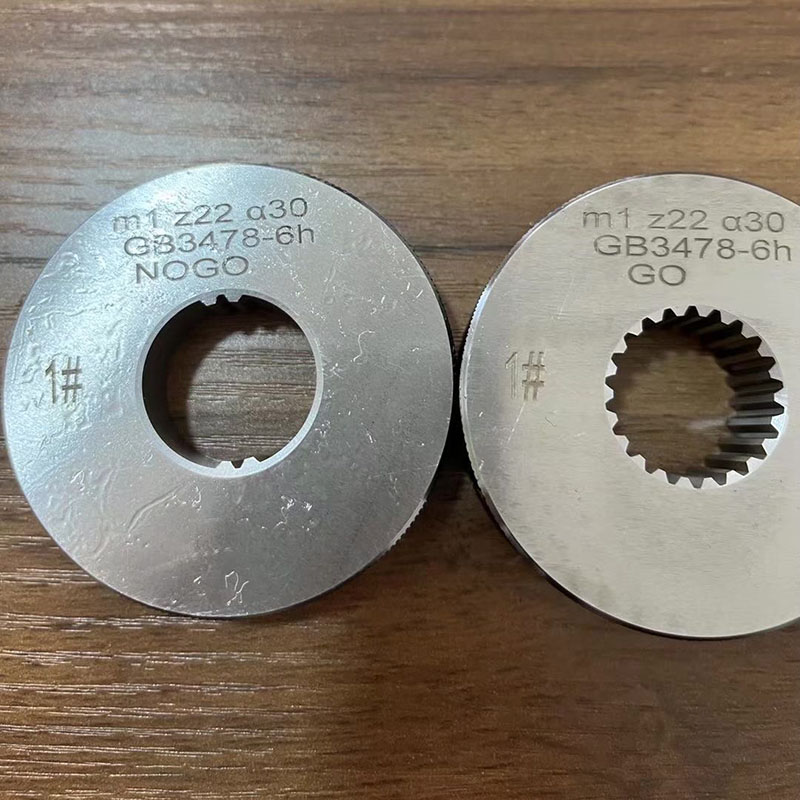
Versatile Clamps for Efficient Welding Table Setup and Secure Workholding Solutions
Essential Guide to Welding Table Clamps A Must-Have for Every Workshop Welding is a crucial skill in
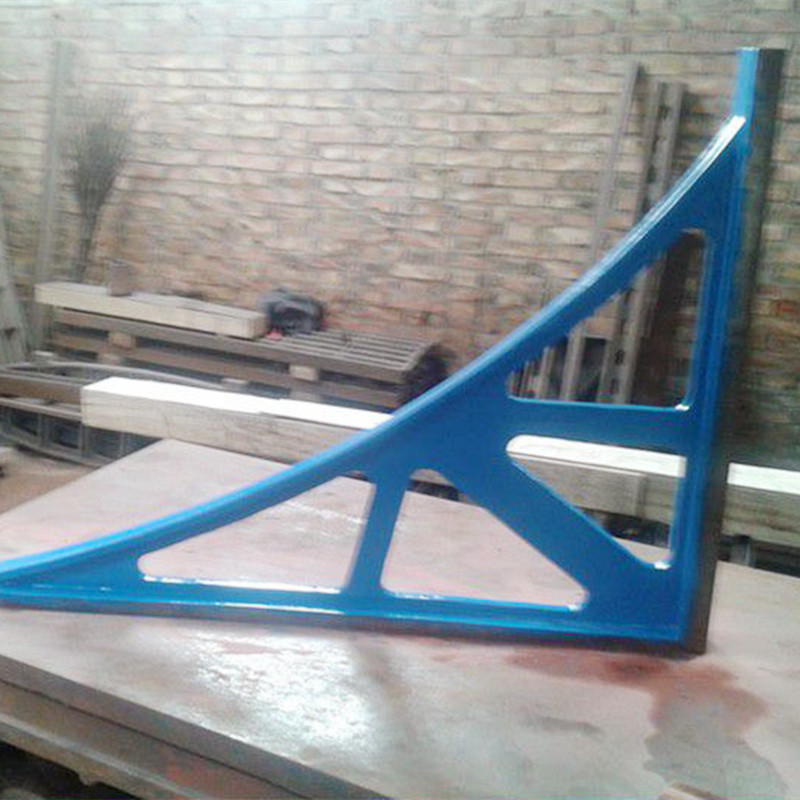
Y-Type Strainer for Efficient Filtration in Cast Iron Applications
cast iron y type strainer .
Valve Solutions for Industrial Applications _ Precision Engineering & Innovation
The Evolution of Valve Technology in Modern Industries In recent years, valve technology has become
 English